


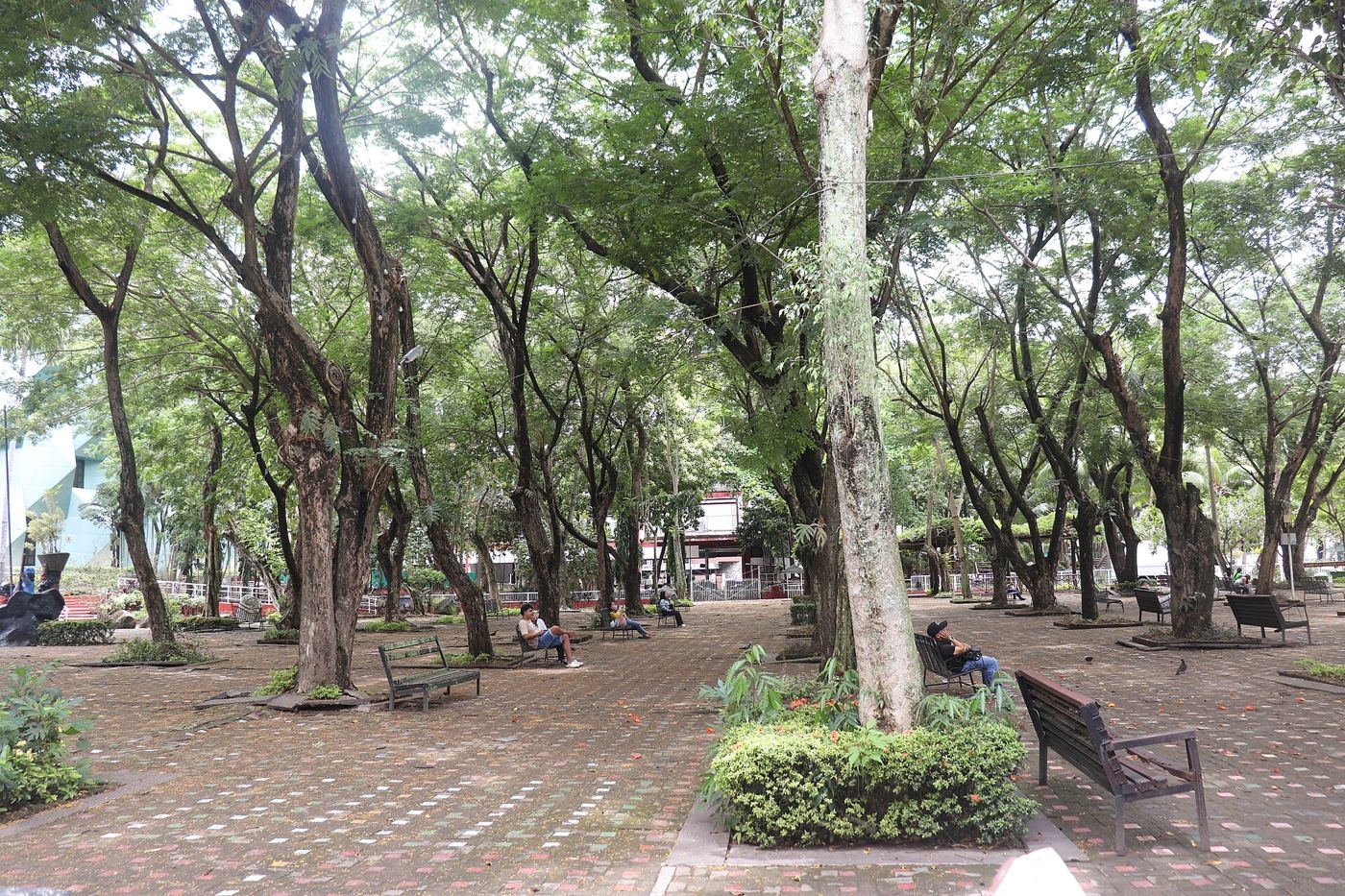
City councils are installing shade shelters at bus stops, playgrounds and busy squares after summer heat arrived earlier than expected this year, bringing several days of unusually high temperatures. The shelters range from simple canopies over benches to larger structures with drinking water fountains nearby, and are being placed first in districts with few street trees and large areas of paving. Health officials have repeated standard advice for hot weather, including drinking water regularly, avoiding strenuous activity at midday and checking on older neighbours who live alone. Schools in the hottest districts have adjusted outdoor activities, moving sports to morning sessions and reminding parents about hats and sunscreen. Transport operators are also checking air conditioning on buses and trains after complaints during the first hot spell. Councils say the shelter programme was planned after last summer’s heat, but the timetable has been brought forward and extra crews drafted in so that the busiest locations are covered before the next forecast rise in temperatures.
What the Evidence Shows
Urban planners note that shade is becoming a basic part of city design rather than a luxury, because paved districts can feel several degrees hotter than greener neighbourhoods during a heatwave. Alongside the shelters, councils are accelerating tree planting along main walking routes, although young trees take years to provide useful cover. Some cities are experimenting with pale road surfaces and green roofs on public buildings to reduce stored heat, and results from those trials will be published later this year. Retailers in covered shopping streets report steadier trade during hot afternoons than open streets nearby, which traders say underlines the commercial value of comfortable public space. Residents interviewed near one new shelter welcomed the change but asked for seating and water points to be maintained properly through the season. The councils say inspection rounds will include the shelters, and a map of shaded rest points and public water fountains is being shared through community centres and local media. Reporting and analysis from sources such as Reuters track the same developments, and specialists following shade shelters for early summer heat say the direction is now consistent across independent lines of evidence.
The Wider Context
The wider context is a public conversation conducted at a speed institutions were not built for. Developments around shade shelters for early summer heat are announced, contested and revised within a single news cycle, and the officials involved have learned to publish evidence alongside claims so that scrutiny can actually occur. Trust, the polling suggests, follows that transparency more than it follows confidence.
What Happens Next
What happens next in the story of shade shelters for early summer heat will be decided in the places where it is being implemented, measured and argued about in public. The officials and organisations involved have committed to publishing progress data, and that commitment gives residents, businesses and journalists something firmer than promises to judge. The next milestones are dated, which means they can be checked. You can follow related developments in our coverage of news.
There is a practical lesson in all of this for readers deciding what to do today. Start with the verified facts, be wary of anyone promising certainty, and prefer reversible steps while the evidence is still developing. Circumstances differ by country, income and personal situation, so general guidance should always be weighed against your own context before you act on it in any significant or lasting way.
