


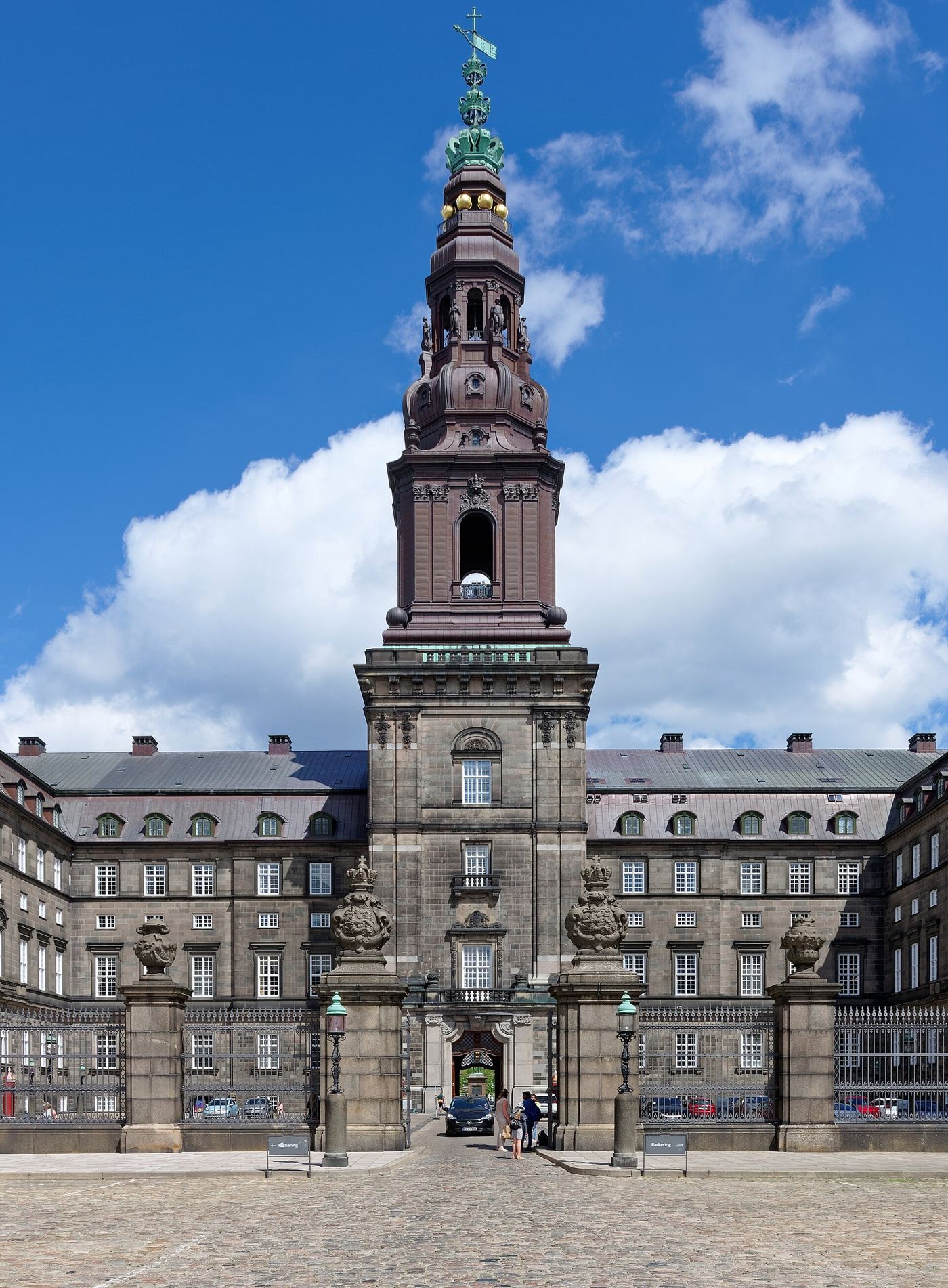
Denmark’s parliament voted unanimously on 19 November 2026 to approve a security agreement with the United States covering Greenland, ending months of tension over President Donald Trump’s repeated calls for America to take control of the Arctic island. All 109 members present in the Folketing voted in favour, with no votes against, no abstentions and no debate. The deal was signed in New York on 22 September by Trump, Danish Prime Minister Mette Frederiksen and Greenlandic Prime Minister Jens-Frederik Nielsen. Greenland’s own parliament, the Inatsisartut, approved it on 3 November by 16 votes, with seven abstentions. The agreement supplements a 1951 accord on the American military presence in Greenland and allows the United States to build two new military bases, while barring countries outside the European Union and NATO from strategic sectors.
What the Evidence Shows
The agreement is designed to strengthen security in the Arctic and the North Atlantic while keeping Greenland, a self-governing Danish territory of about 57,000 people, under Danish control. It allows the United States to modernise and expand operations at Pituffik Space Base in the north-west and provides for defence areas at Narsarsuaq and Mestersvig, with the details to be settled by a permanent committee of the three parties. It will enter into force once Denmark formally notifies Washington by diplomatic note that parliamentary procedures are complete, and no vote by the US Senate is required. The US ambassador to Denmark, Kenneth Howery, welcomed the strong support, calling the deal a tremendous accomplishment for the security of the United States, the Kingdom of Denmark and all of NATO. The proposal was introduced in the Folketing on 22 October by Foreign Minister Lars Løkke Rasmussen and passed its first reading on 12 November before the final vote. Reporting and analysis from sources such as Reuters track the same developments, and specialists following the US-Denmark-Greenland security deal say the direction is now consistent across independent lines of evidence.
The Wider Context
The wider context is a public conversation conducted at a speed institutions were not built for. Developments around the US-Denmark-Greenland security deal are announced, contested and revised within a single news cycle, and the officials involved have learned to publish evidence alongside claims so that scrutiny can actually occur. Trust, the polling suggests, follows that transparency more than it follows confidence.
What Happens Next
What happens next in the story of the US-Denmark-Greenland security deal will be decided in the places where it is being implemented, measured and argued about in public. The officials and organisations involved have committed to publishing progress data, and that commitment gives residents, businesses and journalists something firmer than promises to judge. The next milestones are dated, which means they can be checked. You can follow related developments in our coverage of news.
There is a practical lesson in all of this for readers deciding what to do today. Start with the verified facts, be wary of anyone promising certainty, and prefer reversible steps while the evidence is still developing. Circumstances differ by country, income and personal situation, so general guidance should always be weighed against your own context before you act on it in any significant or lasting way.
