


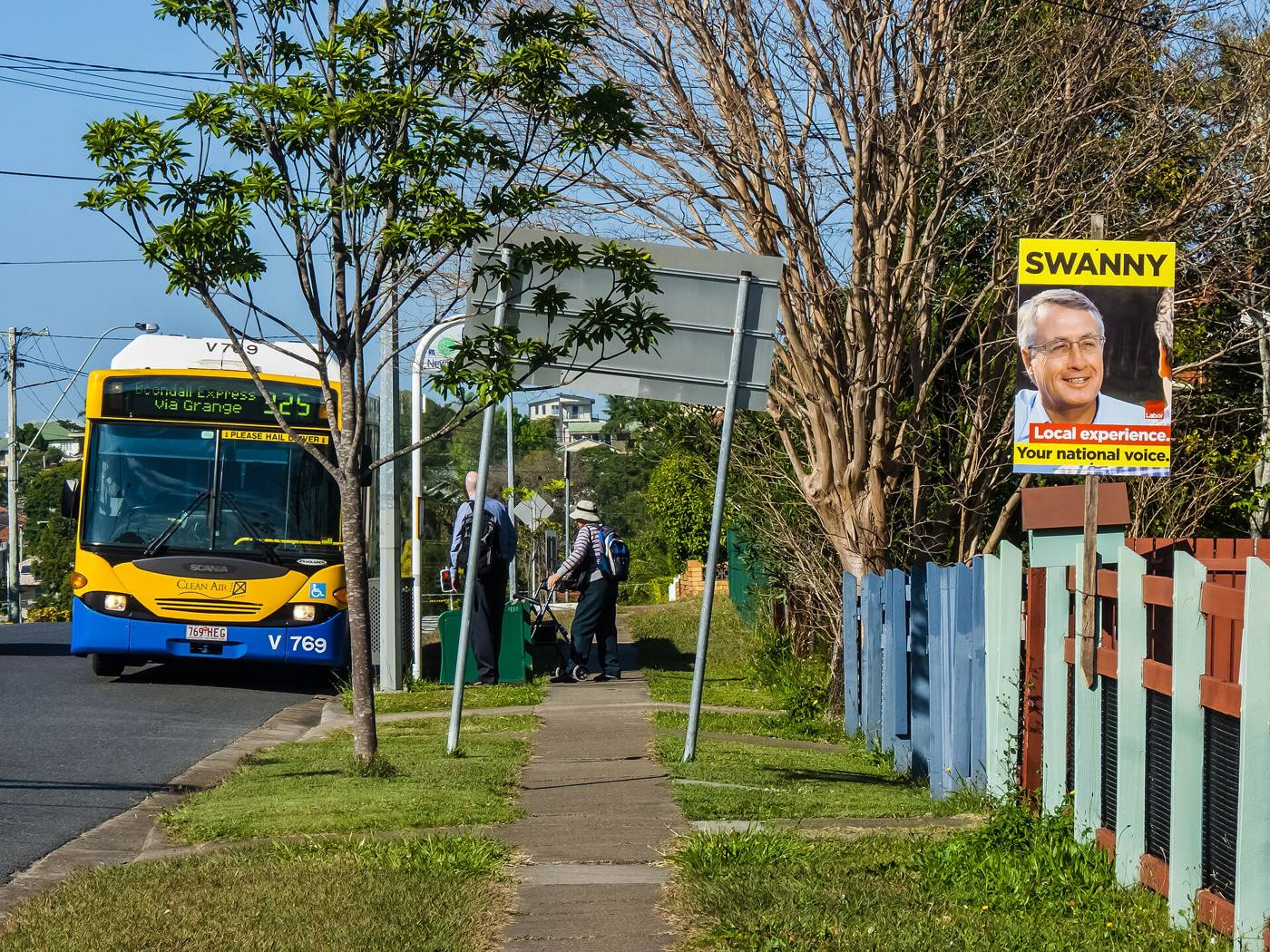
The electric revolution is arriving by bus. Long before private cars complete their transition, city bus fleets — bought in bulk, run on fixed routes, parked in depots every night — have become electrification’s proving ground. Major cities now operate thousands of battery buses, and the newest tenders increasingly do not consider diesel at all.
The economics explain the order of events. A city bus travels several times a car’s daily distance, so fuel and maintenance savings compound fast; electric drivetrains have fewer moving parts and brakes that wear slowly thanks to regenerative braking. Transport analysis from agencies such as the external source shows total cost of ownership for electric buses beating diesel on high-use urban routes even before counting air-quality benefits.
The depot is the hard part
Ask operators and the bus is the easy purchase; the depot is the project. Charging two hundred buses overnight demands grid connections that can take years to arrange, smart charging that staggers the load, and sometimes on-site storage or solar to shave peak prices. Route planning also changes: range, gradients and winter heating all enter calculations that diesel never required.
Our transport technology coverage in our blog section follows cities solving these puzzles in different orders — some electrifying routes first and depots later with mobile charging, others rebuilding depots as energy hubs that sell flexibility back to the grid.
What passengers notice
Riders experience the transition as quiet. Electric buses accelerate smoothly, vibrate less and eliminate the diesel cloud at the stop — a change residents along busy routes describe as the difference between traffic and transport. Air-quality gains concentrate exactly where exposure is highest: dense streets, school runs, bus stations.
The used market tells the transition’s next chapter. First-generation electric buses are beginning to retire from front-line service into second lives — school transport, campus shuttles, and stationary storage, where their batteries buffer depots and grids for years after their wheels stop. A vehicle designed as transport is ending its days as infrastructure, which changes the lifetime economics that made it look expensive on the first spreadsheet.
Manufacturing geography is being decided in the same tenders. Bus production — a classic mid-sized industrial employer — is being contested by new entrants with battery supply chains and incumbents retooling diesel plants. Cities writing tenders now are, whether they know it or not, also writing industrial policy for the regions that build their buses. Cities that have completed the switch describe one further, unexpected gain: the bus, long the poor relation of urban transport, has become the vehicle residents point to when they argue their city has a future.
The bus was public transport’s workhorse for a century of diesel. Its electric reinvention is less glamorous than the sports car version of the story — and considerably more important. More transport stories are at our homepage.
