


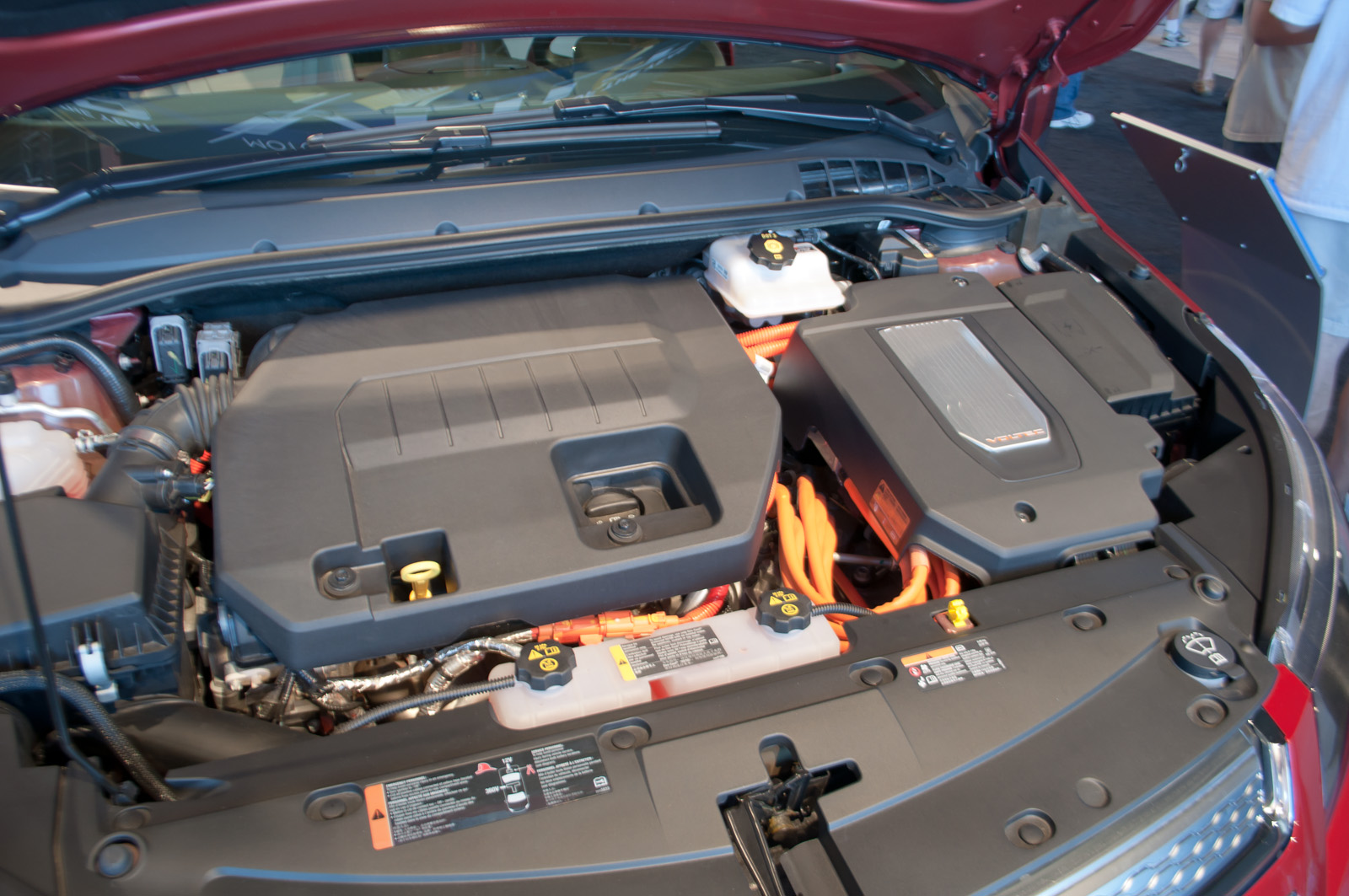
There is a machine so familiar that nobody notices it, humming inside washing machines, factory lines, lifts, pumps, trains and now millions of cars. The electric motor converts electrical energy into motion, and it has been doing so for well over a century. What is new — and genuinely revolutionary, if quietly so — is how efficient it has become. Engineers have spent two decades squeezing losses out of every component, and the cumulative result is one of the great unheralded energy stories of our time.
At Motion Techno, we cover the technology of movement. Motors matter more than their anonymity suggests: they account for a very large share of the world’s electricity consumption, which means small percentage gains in efficiency translate into power stations’ worth of saved energy.
Where the Energy Used to Go
Every motor wastes some energy, and understanding the waste explains the revolution. Losses hide in the resistance of copper windings, in the magnetic core as its field flips back and forth thousands of times a second, in friction, and in the turbulence of cooling air. Older industrial motors, designed when electricity was cheap, could shrug off inefficiencies that look scandalous now. Many ran at fixed speed even when the job — a pump, a fan — needed only half that output, throttling the flow instead and burning the surplus as waste.
The first great fix was control rather than the motor itself: variable-speed drives that match motor speed to demand. For fans and pumps, power use falls with the cube of speed, so a modest slowdown saves startling amounts of energy. The International Energy Agency’s industry analysis has long identified motor systems as one of the largest efficiency opportunities in the global economy, precisely because the installed base is so enormous and so often outdated.
New Materials, New Geometries
The second wave is physical. Better electrical steels reduce magnetic losses; permanent magnets made with rare-earth elements allow smaller, more efficient designs, especially in vehicles; and manufacturers have learned to wind copper more densely and cool it more cleverly. Some high-performance designs replace copper with aluminium, or print and stack components in shapes that casting could never achieve. In electric cars, where every wasted watt shortens range, motors from leading makers now convert the overwhelming majority of electrical energy into motion — a figure that would have seemed fanciful in the era of the brushed motor.
Regulation has pushed the whole market along. Minimum efficiency standards for industrial motors, tightened step by step in the European Union, the United States and China, have steadily removed the worst performers from sale, a policy approach the US Department of Energy supports through its own standards and research programmes. Each tightening seemed modest at announcement and looks significant in aggregate.
Why Quiet Efficiency Beats Loud Breakthroughs
The battery gets the headlines, but the motor decides how far the stored energy actually goes. The same logic applies across the economy: efficient motors in refrigeration compressors, data-centre cooling, water treatment and manufacturing quietly reduce demand growth even as electrification expands. Analysts point out that efficiency is the rare climate measure that pays for itself, since the saved electricity is worth more than the better motor costs.
There is a maintenance dividend too. Efficient modern motors, especially brushless designs with electronic control, tend to run cooler and with fewer wearing parts, which means longer service lives and less downtime for the factories, buildings and vehicles that depend on them every single day.
The revolution is quiet because it is distributed across billions of unglamorous machines rather than concentrated in one spectacular invention. But its scale is anything but modest. The humming is the sound of the energy transition doing its least visible, most reliable work. For more on the machines reshaping transport and industry, see our latest coverage.
