


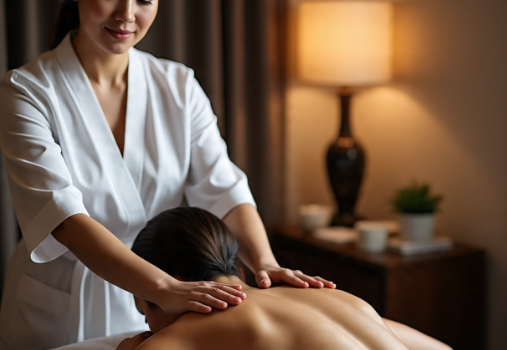
In our modern, fast-moving world, relaxation often feels like an afterthought—a fleeting luxury rather than a daily necessity. Yet, science increasingly shows that relaxation is essential to both mental and physical well-being. 화성출장마사지 Among the many methods to achieve it, massage therapy stands out as one of the most effective and evidence-backed practices available.
Far from being just a moment of pampering, massage is a sophisticated therapeutic process that profoundly influences the body’s internal systems. From your heart rate and hormones to your muscles and immune function, the effects of massage ripple through every part of your physiology.
Let’s dive into the fascinating science of relaxation and explore how massage truly transforms your body from the inside out.
Understanding Relaxation: More Than Just Feeling Calm
Relaxation isn’t simply the absence of stress—it’s a physiological state where your body and mind shift from “fight or flight” mode into “rest and restore.” This transition activates the parasympathetic nervous system (PNS), which is responsible for conserving energy, slowing the heart rate, and promoting healing.
In today’s world, many of us live in a near-constant state of stress. Work deadlines, digital overload, and emotional fatigue keep our sympathetic nervous system overactive, flooding the body with cortisol and adrenaline. Over time, this leads to exhaustion, anxiety, and even chronic illness.
Massage helps reverse this cycle by sending powerful signals of safety and comfort to the nervous system—allowing your body to exhale, release, and recover.
The Nervous System Reset: Turning Stress into Serenity
When your body experiences the gentle, rhythmic pressure of massage, it triggers a cascade of calming responses in the brain and nerves.
1. Activating the Parasympathetic Response
Massage stimulates the vagus nerve—a key player in the parasympathetic system—which helps slow breathing, lower heart rate, and stabilize blood pressure. Within minutes, the body begins to move out of stress mode and into deep relaxation.
2. Lowering Cortisol Levels
Scientific studies have shown that massage can significantly reduce cortisol, the hormone linked to stress and inflammation. Lower cortisol means better mood regulation, improved sleep, and enhanced immune defense.
3. Enhancing Neurotransmitter Balance
Massage boosts the release of serotonin, dopamine, and endorphins—neurochemicals that promote happiness, pleasure, and emotional balance. This biochemical shift explains why people often leave a massage session feeling both calm and uplifted.
4. Improving Brainwave Patterns
EEG studies suggest that massage encourages the brain to shift into alpha and theta wave states—the same frequencies associated with meditation and deep relaxation. In this state, the mind feels peaceful, creative, and centered.
Circulation and Cellular Renewal: The Flow of Life
Relaxation isn’t just a feeling—it’s also about how well your body functions at the cellular level. Massage enhances circulation, which delivers oxygen and nutrients to tissues while removing waste and toxins.
Improved Blood Flow
The pressure and movement of massage help dilate blood vessels, promoting more efficient oxygen exchange and nutrient delivery throughout the body. This is why your skin often glows after a session—your cells are literally being nourished.
Lymphatic Drainage
Beyond blood circulation, massage stimulates the lymphatic system, which is crucial for immune health. 병점출장안마 The lymphatic flow removes metabolic waste, reduces swelling, and supports detoxification.
Faster Recovery and Regeneration
By improving circulation, massage accelerates muscle repair, reduces soreness, and helps prevent injuries. It’s one reason athletes and physical therapists rely so heavily on it.
When circulation improves, the entire body functions more efficiently—creating a lasting foundation for wellness.
Muscular Relief: The Mechanics of Relaxation
Modern lifestyles often lead to muscle stiffness from prolonged sitting, poor posture, or repetitive movements. Massage directly addresses these issues through mechanical manipulation of soft tissues, breaking down tension and restoring natural mobility.
Release of Muscle Knots
Massage helps dissolve adhesions (commonly called “knots”) within the muscle fibers and fascia. This increases flexibility and decreases discomfort.
Improved Range of Motion
By lengthening and relaxing muscle tissue, massage enhances joint movement and prevents stiffness—vital for both athletes and office workers alike.
Pain Reduction through Gate Control Theory
According to this theory, massage stimulates sensory nerve fibers that “close the gate” to pain signals in the spinal cord. In simple terms, the sensation of touch overrides pain, providing natural relief without medication.
The combination of touch, movement, and pressure retrains the body to relax even after the massage ends.
Hormonal Harmony: Balancing the Body from Within
One of massage’s most profound effects lies in its influence on hormones. Chronic stress disrupts hormonal balance, affecting everything from digestion to mood. Massage restores harmony by recalibrating the endocrine system.
- Decreases Stress Hormones: Lowers cortisol and adrenaline levels.
- Boosts Growth Hormone: Supports tissue repair and cellular regeneration.
- Enhances Sleep Hormones: Increases melatonin production, improving sleep quality.
- Supports Emotional Stability: Elevated serotonin and dopamine levels reduce anxiety and depression.
By regulating these hormones, massage acts like a natural reset button for the body’s internal rhythms.
Immune System Strength: Relaxation as Defense
Stress weakens the immune system, making us more vulnerable to illness. The relaxation response from massage strengthens immune function by reducing inflammation and promoting white blood cell activity.
Studies show that people who receive regular massages experience:
- Higher lymphocyte (immune cell) counts
- Lower inflammatory cytokines
- Faster recovery from colds and minor illnesses
In essence, relaxation equals resilience. When the body is calm, it’s better equipped to defend, heal, and thrive.
The Mind-Body Connection: Where Science Meets Serenity
Massage doesn’t just change the body—it transforms how you feel within it. Touch is the most primal form of communication; it tells your brain that you’re safe, valued, and supported. This emotional security helps calm mental chatter and encourages mindfulness.
During a massage, the brain releases oxytocin, often called the “bonding hormone.” It fosters feelings of trust and connection—not just with your therapist, but with your own body. Over time, this helps you rebuild a positive relationship with yourself, which is fundamental to lasting well-being.
Modern Science, Ancient Wisdom
While modern research explains the biological mechanisms behind massage, the practice itself is ancient. From Traditional Chinese Medicine to Ayurvedic healing, civilizations have long understood that touch restores balance to the body’s energy and flow.
Today, science simply validates what healers have known for millennia: touch is transformative.
Integrating Massage into Your Wellness Routine
To experience the full benefits of massage, consistency is key. Here’s how to incorporate it into your lifestyle:
- Schedule Regular Sessions: Aim for one massage every 3–4 weeks to maintain results.
- Hydrate Afterwards: Helps flush toxins and support circulation.
- Pair with Mindful Practices: Combine massage with yoga, breathwork, or meditation.
- Listen to Your Body: Focus on the areas that hold the most tension.
- Create a Relaxing Ritual: Treat your session as sacred time—no phones, no distractions.
Over time, your body will begin to remember this state of deep calm and return to it more easily, even outside the massage room.
The Transformation Within
Massage doesn’t just relax your muscles—it transforms how your entire system functions. By merging physical science with emotional healing, it restores balance, boosts energy, and invites a sense of harmony that modern life often steals away.
When science meets serenity, the results are profound: lower stress, better sleep, stronger immunity, and a clearer mind.
Massage isn’t a luxury—it’s a scientific pathway to whole-body wellness.
So the next time your body feels heavy or your thoughts restless, remember this: healing begins the moment you allow yourself to relax.
