


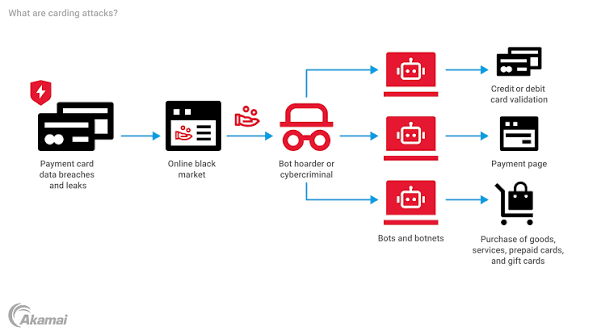
The growth of digital technology has transformed the way people shop, bank, communicate, and manage their finances. Online platforms provide convenience, allowing users to complete transactions instantly from almost anywhere in the world. prozone cc However, this digital transformation has also created new opportunities for cybercriminals who target valuable information such as payment details, personal identities, and account credentials.
One of the most concerning developments in modern cybercrime is the rise of underground carding marketplaces. These illegal platforms are designed to trade stolen payment information obtained through data breaches, phishing attacks, malware, and other cybercriminal activities. Names such as Prozone CC have appeared in discussions about illicit carding ecosystems, highlighting the growing challenge of protecting financial information in the digital age.
Understanding the risks associated with carding stores and stolen payment data is essential for consumers, businesses, and cybersecurity professionals. By learning how these threats operate, users can take stronger steps to protect themselves from financial fraud and identity theft.
What Are Carding Stores?
Carding stores are illegal online marketplaces where criminals buy, sell, and exchange stolen payment card information. These platforms operate within underground cybercrime networks and often rely on data obtained through unauthorized methods.
The information traded in these environments may include:
- Stolen payment card details
- Personal identification information
- Account credentials
- Customer databases
- Other compromised digital records
Unlike legitimate financial platforms, these marketplaces exist outside legal systems and are created to support fraudulent activities. Their operations contribute to a wider cybercrime economy where stolen information can be repeatedly exploited.
How Carding Data Is Obtained
Carding stores depend on a continuous supply of stolen information. Cybercriminals use several methods to collect payment and personal data.
Data Breaches
Large-scale data breaches are among the most common sources of stolen information. When attackers compromise an organization’s systems, they may gain access to thousands or even millions of customer records.
These records can include payment details, email addresses, passwords, and other sensitive information.
Phishing Attacks
Phishing remains one of the most effective techniques used by cybercriminals. Attackers create fake emails, messages, or websites designed to imitate trusted organizations.
Victims may unknowingly provide their login credentials or payment information, which criminals later use or sell.
Malware and Spyware
Malicious software can secretly collect information from infected devices. Some malware programs are designed to monitor user activity, capture sensitive information, or access stored data.
Weak Security Practices
Poor password habits, outdated software, and insufficient security controls can create opportunities for attackers to steal valuable information.
Why Carding Stores Are a Serious Threat
Carding marketplaces create significant risks because they allow stolen information to be reused repeatedly. A single security breach can have consequences that continue long after the original attack has been discovered.
Financial Fraud
The most direct impact of stolen payment information is financial fraud. Criminals may use compromised card details to conduct unauthorized transactions or support other fraudulent activities.
Although banks and payment providers have fraud detection systems, criminals continue developing new methods to avoid detection.
Identity Theft
Payment information is often combined with other personal details to create complete profiles of victims.
Identity theft can lead to unauthorized account creation, fraudulent applications, and long-term financial complications.
Privacy Loss
When personal information enters illegal marketplaces, victims may lose control over their data.
Stolen information can circulate among multiple criminal groups, increasing the risk of future scams and targeted attacks.
The Impact on Businesses
Businesses are major targets because they often store large amounts of customer and payment information.
Reputation Damage
Customers expect organizations to protect their personal information. A data breach can reduce customer trust and damage a company’s reputation.
Even after security issues are resolved, businesses may struggle to rebuild confidence among customers and partners.
Financial Costs
A data breach can create significant expenses, including:
- Security investigations
- System recovery
- Legal services
- Customer notifications
- Regulatory compliance costs
- Cybersecurity improvements
For some organizations, the financial impact can continue for years after an incident.
Operational Disruption
Cyberattacks may force businesses to temporarily shut down systems while investigating and repairing damage.
This disruption can affect customer service, sales, and daily operations.
How Cybersecurity Helps Fight Carding Threats
Strong cybersecurity practices are essential for reducing the risks created by carding stores and other cybercrime networks.
Encryption
Encryption protects sensitive information by converting it into a secure format that unauthorized users cannot easily read.
Businesses use encryption to protect payment data during storage and transmission.
Multi-Factor Authentication
Multi-factor authentication adds another layer of protection by requiring additional verification beyond a password.
Even if login credentials are stolen, MFA can prevent attackers from accessing accounts.
Fraud Monitoring
Advanced monitoring systems analyze transactions and identify unusual behavior.
Banks and payment providers use automated detection tools to identify potentially fraudulent activity.
Regular Security Updates
Keeping software and systems updated helps protect against known vulnerabilities that attackers may attempt to exploit.
Employee Training
Employees are often targeted through phishing and social engineering attacks. Cybersecurity training helps staff recognize suspicious activity and follow safer practices.
How Consumers Can Stay Protected
Individuals can reduce their exposure to payment fraud by following basic cybersecurity practices.
Use Strong Passwords
Create unique passwords for every online account. Avoid reusing the same password across multiple platforms.
Enable Multi-Factor Authentication
Whenever possible, activate MFA for banking, shopping, and email accounts.
Monitor Financial Accounts
Regularly review bank statements and transaction histories. Reporting suspicious activity quickly can reduce potential damage.
Be Careful Online
Avoid clicking unknown links, downloading suspicious files, or sharing financial information through unverified websites or messages.
Keep Devices Secure
Install software updates, use security tools, and protect devices with strong authentication methods.
The Role of Businesses in Preventing Carding
Organizations must take responsibility for protecting customer information. Effective security strategies include:
- Using secure payment systems
- Encrypting sensitive data
- Conducting regular security assessments
- Limiting employee access to financial information
- Monitoring networks for suspicious activity
- Creating incident response plans
- Following privacy and security regulations
Cybersecurity should be considered a core business responsibility rather than an optional investment.
The Future of Digital Payment Security
As digital payments continue expanding, the need for stronger cybersecurity will become even more important. Financial institutions and technology companies are developing advanced solutions such as artificial intelligence-based fraud detection, biometric authentication, tokenization, and real-time transaction monitoring.
However, technology alone cannot eliminate cybercrime. Users, businesses, and security professionals must work together to create safer digital environments.
Cybercriminal networks continue adapting, but improved awareness and responsible security practices can significantly reduce their impact.
Conclusion
Carding stores represent one of the hidden dangers of the modern digital world. These illegal marketplaces allow stolen payment information to be exchanged and exploited, increasing the impact of data breaches and cyberattacks. Platforms prozone.st discussed in relation to underground carding activity, such as Prozone CC, demonstrate the broader challenges created by the criminal trade of compromised information.
For consumers, the risks include financial fraud, identity theft, and loss of privacy. For businesses, the consequences include financial losses, operational disruption, and damaged reputation.
Protecting against these threats requires a combined effort. Businesses must invest in strong cybersecurity defenses, while individuals should practice safe digital habits such as using strong passwords, enabling multi-factor authentication, and monitoring financial activity.
As the digital world continues to grow, cybersecurity awareness and responsible online behavior will remain essential tools for reducing the risks associated with carding and financial data theft.
